The Philippines recorded 1,532 confirmed COVID-19 cases between January and July of this year, a 70% drop from the 5,070 cases reported during the same period in 2025, according to the Department of Health (DoH). The agency released the figures on Friday, noting that it continues to track the disease through its regional offices and local government partners. The DoH specified that the tally covered the period from Jan. 4 to July 11, and that it continues to closely monitor the situation through its regional counterparts, receiving regular case reports from these networks.
The health department said it is still conducting disease surveillance and response mechanisms nationwide. These mechanisms involve the systematic collection and analysis of case data, contact tracing to identify potential exposures, and coordination with local health units to implement appropriate response measures. It emphasized that COVID-19 can present without symptoms or as a mild to severe respiratory illness.
Common symptoms include fever, chills, sore throat, cough, a runny or clogged nose, headache, fatigue, muscle aches, shortness of breath, and nausea. Some patients also experience vomiting, diarrhea, abdominal pain, and loss of or changes in taste or smell, according to it. Fever and chills often appear early, followed by sore throat and cough. A runny or clogged nose can resemble a common cold, while headache and fatigue are frequently reported. Muscle aches may affect the whole body, and shortness of breath can indicate more severe lung involvement. Gastrointestinal symptoms such as vomiting, diarrhea, and abdominal pain may also occur, and the loss of or changes in taste or smell remains a distinctive sign of the infection.
Why cases are down but vigilance remains
The decline is significant. But the health department is not letting its guard down.
The virus has not disappeared — it has simply become less frequent in official tallies.
Related: SSS microloans to launch this year
For context, the country had reported 4.1 million total cases of the disease as of January 8, with 66,864 deaths. At its peak, the disease forced the Philippines into various forms of community quarantine for over a year and overwhelmed the public health system. The peak period saw hospitals operating beyond capacity, with healthcare workers facing extended hours and limited supplies. The government imposed a range of restrictions that limited movement and economic activity for more than a year, disrupting daily life across the country.
The current low numbers reflect a combination of factors: widespread prior infection, vaccination efforts, and possibly reduced testing. Widespread prior infection has contributed to a broader base of immunity within communities. Vaccination efforts, while not detailed by the DoH in this release, have targeted vulnerable groups and the general population to reduce transmission and severe outcomes. Meanwhile, testing rates may have declined as public attention shifted, leading to an undercount of actual infections. Despite the drop in case numbers, the department still emphasizes basic health habits to curb the spread of not only COVID-19 but also other respiratory illnesses.
Health officials urge basic precautions
These precautions include handwashing, covering the mouth and nose when coughing or sneezing, and maintaining proper hygiene. The DoH advised that people experiencing symptoms of respiratory illness should seek medical consultation at the nearest health center or healthcare facility.
“Individuals experiencing symptoms of respiratory illness are advised to seek medical consultation at the nearest health center or healthcare facility and follow appropriate health measures to prevent further transmission,” the agency said. The department also recommends that those with symptoms isolate themselves and seek medical advice promptly to reduce the risk of spreading the illness.
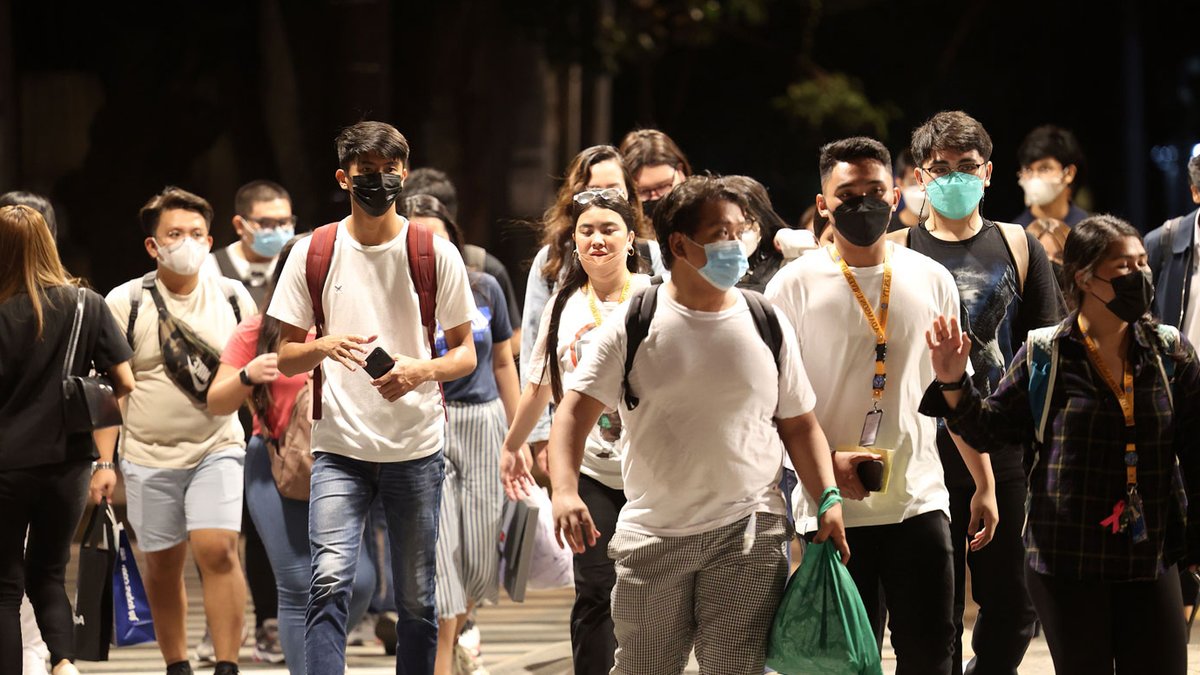
The department’s announcement was accompanied by a photograph of commuters waiting for public transport along Taft Avenue in Manila, credited to the Philippine Star and photographer Miguel de Guzman, depicting a scene of daily life amid the ongoing health monitoring.