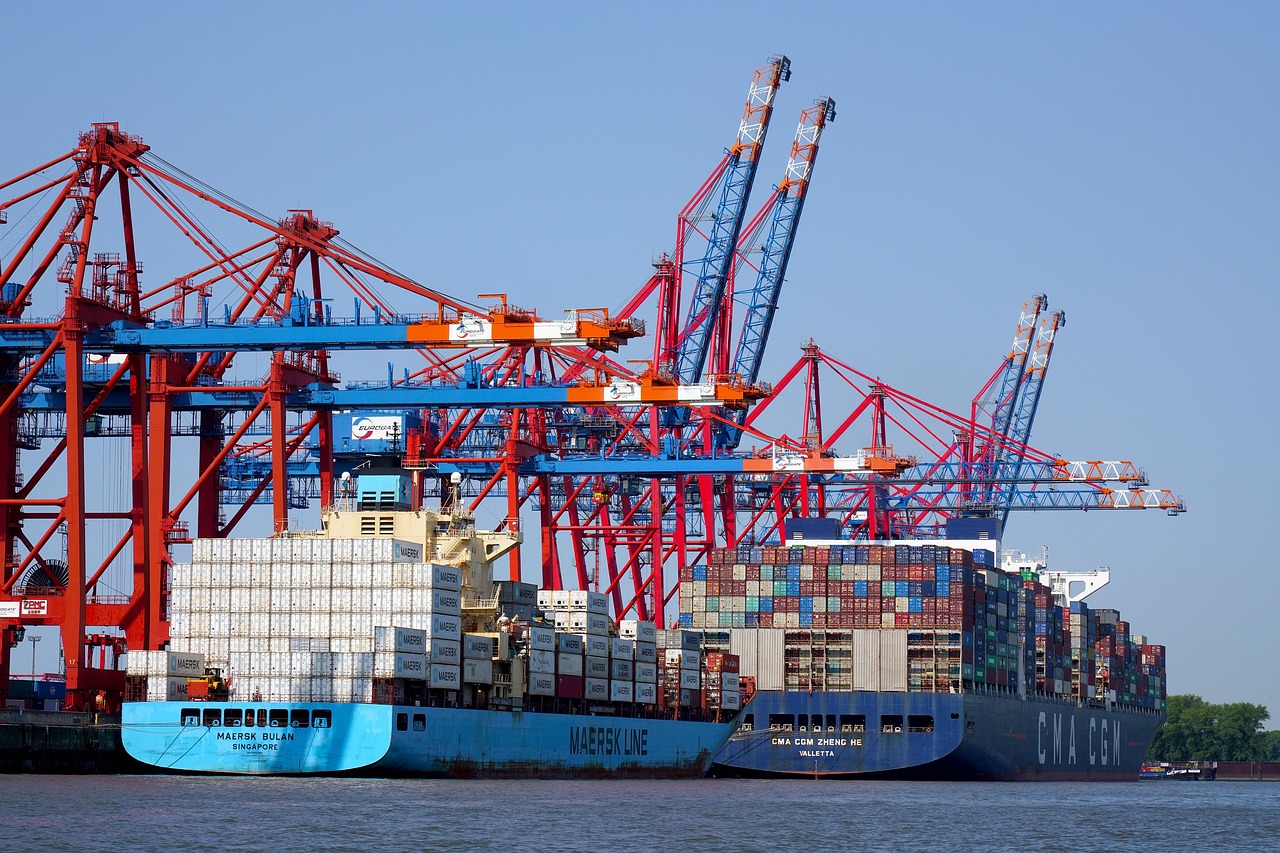
Malaysia’s general insurance industry recorded an underwriting profit of $0.3b (RM1.2b) in 2025, with a combined ratio of about 93%. This comes despite a decline in marine premium, which fell by 2.2% to $0.4b (RM1.79b) from $0.4b (RM1.83b) in 2024.
The decline in marine premium was mainly due to slower performance in the offshore oil-related and cargo segments. Offshore oil-related business accounted for 37.6% of the Marine, Aviation and Transit portfolio, whilst cargo business contributed 33.9%.
Segment Performance
The Marine, Aviation and Transit segment recorded an underwriting profit of $26.0m (RM108.1m) in 2025, down from $38.8m (RM161.8m) in the previous year. Its combined ratio stood at 73.1%. Cargo and marine hull business accounted for 89.6% of the segment.
In contrast, Personal Accident insurance recorded double-digit growth, with gross written premiums increasing by 12.2% to $0.4b (RM1.6b) compared to $0.3b (RM1.4b) in 2024. This growth was driven by higher demand for travel insurance as travel activity continued to recover.
Personal Accident Insurance
The increase in Personal Accident insurance premiums was also supported by greater use of digital distribution channels and the broader economic recovery. Travel patterns showed that consumers were increasingly choosing destinations where the Ringgit had stronger purchasing power.
Related: Korean insurers feel claim pressure despite stable outlook
According to the report, insurers are expected to maintain their focus on underwriting discipline, operational efficiency, and product development. Key areas include electric vehicle coverage, climate risk solutions, and digital distribution channels.
Industry Outlook
As the industry continues to evolve, insurers will need to adapt to changing consumer needs and preferences. This may involve developing new products and services, such as travel insurance packages tailored to specific destinations or climate-related risk management solutions.
In the context of similar situations in the same field, it’s notable that the Malaysian insurance industry has shown resilience in the face of challenges. The focus on underwriting discipline and operational efficiency has allowed insurers to maintain profitability despite declines in certain segments.
The segment’s performance is closely tied to the overall state of the economy, with gross written premiums influenced by factors such as consumer spending and business activity. As the economy continues to recover, insurers can expect to see increased demand for their products and services.
In terms of future developments, the industry is likely to see increased investment in digital distribution channels and data analytics to better understand consumer behavior and preferences. This will enable insurers to develop more targeted and effective marketing strategies, ultimately driving business growth.