Iran’s leadership is fracturing as the economy collapses, with moderates openly challenging hardliners ahead of new U.S. sanctions. Officials now admit the military-first strategy cannot continue if citizens keep suffering.
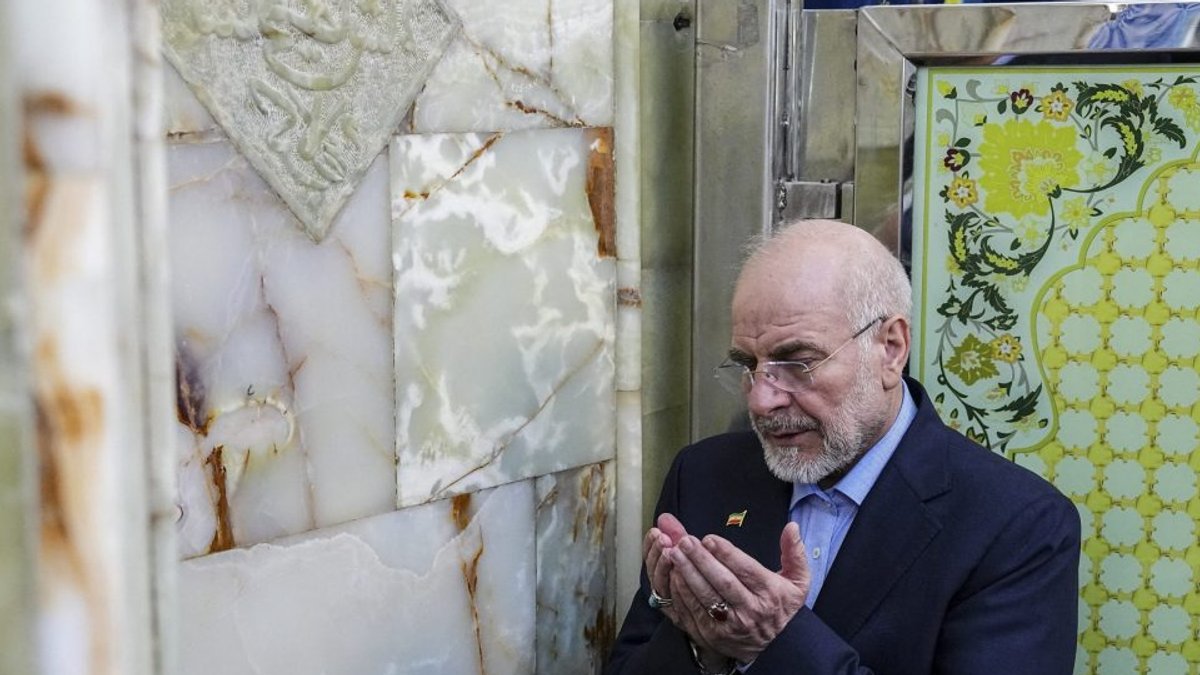
Parliamentary speaker and chief negotiator Mohammad Bagher Ghalibaf warned in Iraq on Friday that economic conditions risk undermining stability. “No matter how strong we are militarily, if the people are hungry and we lack financial circulation, economic growth, and domestic production, we will not endure,” he said. The former Revolutionary Guard commander added, “As someone who has experienced war, we know the true value of peace.”
Moderates press for leverage before sanctions hit
President Masoud Pezeshkian, who oversees the economy, defended the recent ceasefire deal with the U.S. in state media remarks. He argued Tehran must act from strength, stating, “It is better to end it today, while we still have dignity. The world recognizes our victory and says America attacked our schools, hospitals, and infrastructure in violation of all rules.”
His comments reveal frustration among moderates who believe Iran’s influence is fading. Central bank governor Abdolnaser Hemmati confirmed this week that U.S. sanctions have devastated oil exports, the regime’s main income source. “We are not exporting oil,” he said on state television. “The Americans have frozen our foreign reserves and blocked access to them.”
Related: Asia Pacific data centres to grow on AI demand
The economic blockade has also cut off imports. The United Arab Emirates imposed a total embargo on trade and financial transactions with Iran this week, severing one of the country’s last lifelines. A deputy head of Iran’s Energy Optimisation Organisation said fuel imports are now restricted, forcing industries to use reserves.
The regime’s hardliners double down
Supreme Leader Mojtaba Khamenei has strengthened hardliners who oppose diplomacy. In a staffing change, he promoted officials who prefer conflict over another ceasefire. An adviser to Khamenei said the military has adopted a more aggressive stance, hinting at preemptive strikes to force concessions rather than just retaliate.
The economic damage is clear. Inflation has exceeded 80%, with some food prices doubling. The Iranian rial, which sparked protests last year after a sharp drop, has lost another 30% of its value in 2026. The International Monetary Fund projected a 6.1% contraction this year—the worst in decades. A labor ministry official said over 1 million jobs have disappeared since May.
Analysts doubt the regime will yield to public pressure. The leadership has always prioritized survival over economic relief, and hardliners seem willing to endure the crisis. Still, the public fractures show even loyalists understand the stakes. A deputy foreign minister said the economy “needs sanctions relief that a deal with the U.S. could bring.”
Related: Japan’s 7.1 Quake May Explain Kumamoto Damage
The regime has few options left. The moderates’ diplomatic push may be too late, while hardliners’ military gamble carries risks. Survival now depends on whether Iran can weather the economic storm—or if the storm will break it.
Ghalibaf’s trip to Iraq, a key trading partner, aimed to secure new economic channels. But with the UAE embargo and tightening U.S. sanctions, Iran’s options are dwindling. The leadership must decide whether to adjust or stick with a strategy that has already hurt its people.
Energy shortages have worsened as foreign trade barriers cut off fuel supplies.




Leave a Reply