Department of Science and Technology (DoST) and the municipality of Vintar, Ilocos Norte, inaugurated a new Regional Yarn Production and Innovation Center on Friday, aiming to boost the local textile sector by supplying higher‑quality yarn to weavers and related businesses.
Facility designed for natural fiber yarns
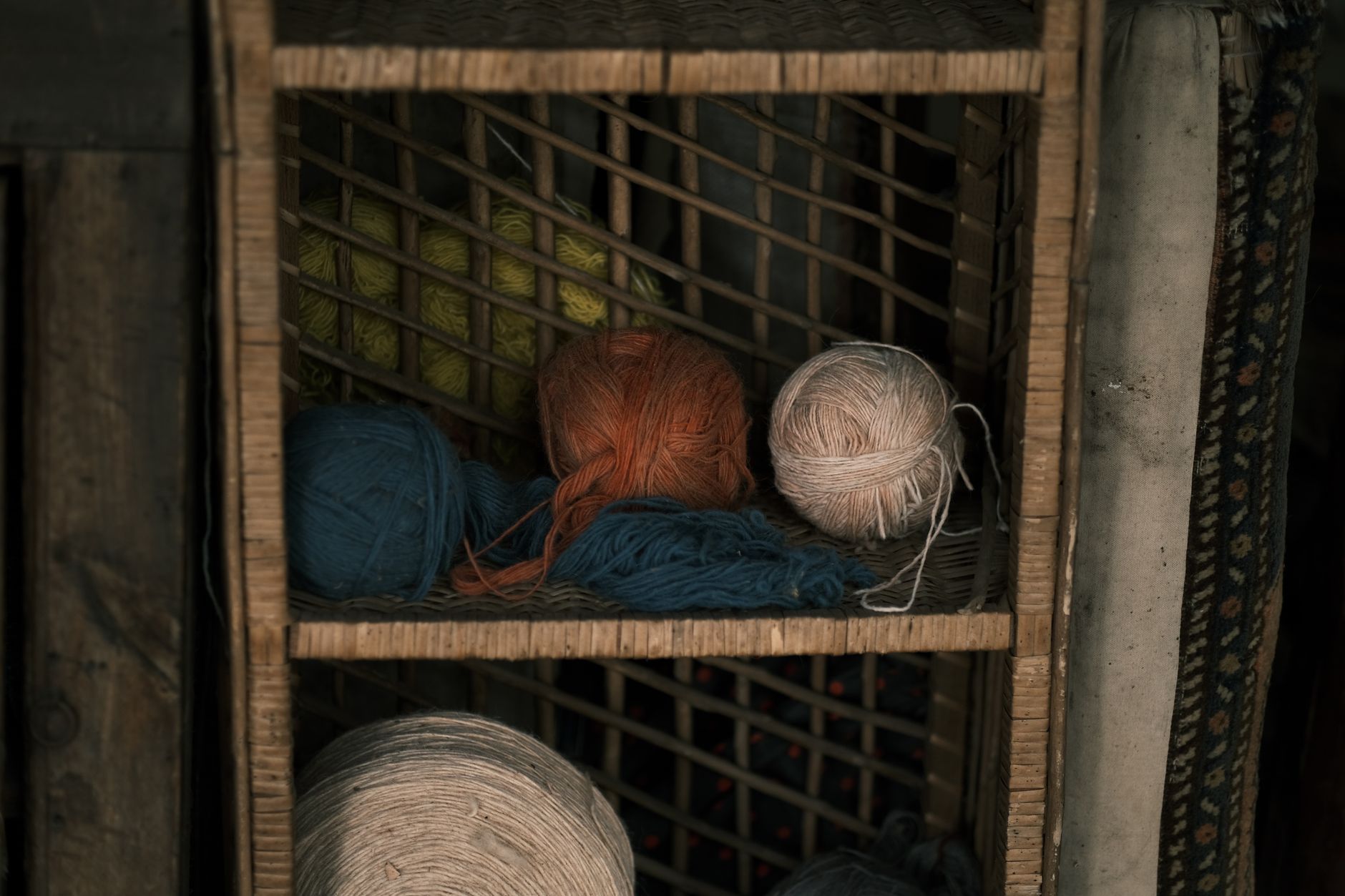
The center, known as RYPIC, operates on a micro‑scale and turns natural textile fibers—such as abaca, banana, pineapple, bamboo and cotton—into blended yarns. In‑house dyeing and finishing stations complement a basic testing lab that checks product quality and compliance.
Funding for the building came from Vintar’s municipal government, while the advanced spinning equipment was supplied by the DoST‑Philippine Textile Research Institute. A team of textile engineers, technicians and scientists will manage day‑to‑day operations.
Production capacity and early output
Since a soft launch in November of the previous year, the plant has already produced about 1,000 kilograms of cottonized yarn, which will be handed out to nearby weavers. The facility can churn out roughly 50 to 75 kilograms of yarn each day, making it the largest of the four RYPIC sites in the country in terms of floor space and output potential.
Related: Constructing Strong Pillars: Why the Top NEET Preparation Sites All Emphasize Concept Clarity
DoST‑PTRI estimates the center could bring in between P25 million and P72 million in annual revenue. The institute’s director, Julius L. Leaño Jr., said the center could support at least 860 weavers and 56 hand‑weaving communities across the Ilocos Region, the nation’s second‑largest weaving hub after the Cordillera.
Local officials voice optimism
Vintar Mayor Richard A. Degala highlighted the center’s role in the municipality’s sustainable‑livelihood programs. “The RYPIC is a great blessing that will help us realize our goals and aspirations,” he said in Filipino, referring to the town’s efforts to provide stable income sources for residents.
Degala added that the facility would act as “a bridge to a brighter future for our production of high‑quality yarn and textiles, not only for the municipality of Vintar but also for the entire Ilocos Region and Luzon.”
DoST Secretary Renato U. Solidum Jr. echoed that sentiment, calling the launch a milestone that would extend benefits beyond provincial borders and spur regional growth.
Related: Philippines and Thailand emerge as supply chain stars
Alignment with national policy
The center also advances Republic Act No. 9242, the Philippine Tropical Fabrics Law, which requires government uniforms to be made from natural‑fiber fabrics. By increasing the supply of locally sourced yarn, the RYPIC helps meet that legislative demand.
Future phases outlined
After the opening ceremony, the project will move into subsequent stages. Phase 2 will focus on validating the technology system and incubating related businesses. Phase 3 aims at full commercialization or licensing, while Phase 4 looks at expanding capacity and scaling operations.
Officials noted that the phased approach is intended to ensure the center’s long‑term viability and to give time for the local weaving community to adapt to the new resources.