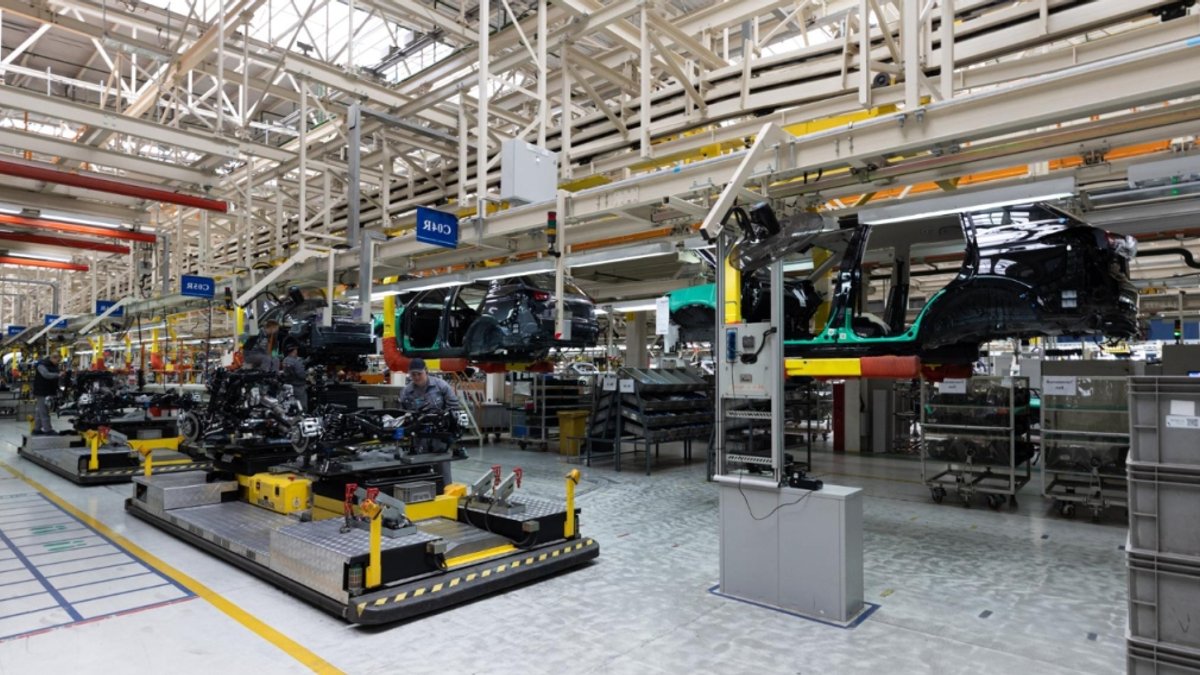
Singapore’s industrial operators face a pressing challenge from record-high electricity tariffs in the third quarter of 2026. While households feel the impact first, factories and plants across Southeast Asia must now examine how efficiently their energy-intensive equipment operates.
Electricity demand is rising more than twice as fast as overall energy use. The International Energy Agency’s Global Energy Review 2026 shows a 3% increase in electricity consumption in 2025, compared to a 1.3% rise in total energy demand. The growth comes from expanding use in buildings and industry, where efficiency improvements have slowed despite global targets to double progress by 2030.
Industrial pumps: A hidden drain on energy
Pumps are among the largest but most overlooked sources of industrial electricity demand. They consume over 20% of the world’s electrical energy. A 1% improvement in pump efficiency could save about 59 terawatt-hours of electricity—equivalent to Singapore’s annual consumption—and reduce carbon dioxide emissions by 28 million tonnes. Upgrades in some cases could improve efficiency by 20% to 30%.
The Asia-Pacific region drives this issue, accounting for half of global primary energy consumption and more than half of energy-related CO₂ emissions. Since 2015, Southeast Asia’s energy demand has grown by 40%, with electricity use rising twice as fast as overall energy consumption. Many plants mistakenly assume that if a pump runs reliably, it also runs efficiently.
Small upgrades deliver big results
Most efficiency programs focus on high-profile equipment like boilers and turbines, often overlooking pumps and other auxiliary systems. Operators frequently assess performance with a single snapshot, lacking historical data or long-term monitoring. Without follow-up support, predicted savings often fail to materialize.
A better approach combines digital analysis, machine learning, and ongoing monitoring with hands-on technical expertise. This method can improve reliability, cut maintenance costs, and extend the time between failures. The aim is not just to adjust individual components but to rethink how entire systems function.
Related: AI Takes Over Trade Operations Cisco Executive Claims
Efficiency gains often begin with a basic check: Is the equipment still performing as designed? Historical data on flow, pressure, power use, and maintenance records can show whether a pump operates near its best efficiency point. Assessments must also consider changes in plant output, process demands, and operating conditions, as these factors shift over time and reduce performance.
Inefficiencies are not always the pump’s fault. Pipework, control valves, and operating schedules can all waste energy. Identifying the root cause—whether it’s the equipment, the system, or both—helps prioritize the most effective fixes. Solutions may include adjusting hydraulic performance, replacing worn parts, or updating control methods. Each option should be evaluated against energy savings, cost, downtime, and payback period.
After changes are made, performance must be measured against the original baseline under comparable conditions. Continuous monitoring ensures savings last and flags any deterioration as plant conditions change. The process requires ongoing assessment and adjustment, not a single fix.
Some companies have already seen benefits. Upgrades to pump systems have lowered costs, improved reliability, and reduced emissions. The combined effect could slow global energy consumption growth while aiding industrial decarbonization. For Southeast Asia’s plants, the opportunity is clear: the tools and technology exist, but the real challenge lies in changing how operators view efficiency—not as a one-time project but as a continuous effort.
The region’s industrial sector could see broader effects if this approach spreads. Better pump efficiency alone won’t solve the energy crisis, but it offers a practical way to reduce demand without cutting output. The issue is no longer whether these upgrades work—it’s how fast they can be adopted before the next tariff increase takes effect.
Recent export growth in Thailand highlights how rising industrial activity strains regional energy supplies, making efficiency improvements even more urgent.