The Philippines’ current stagflation risks reflect long-standing structural problems in the economy, not just external oil shocks, according to several economists who pushed back against a recent congressional analysis.
A research paper from the House of Representatives’ Congressional Policy and Budget Research Department (CPBRD) had described the country as being in a stagflation episode, pointing to slowing GDP growth, raised inflation, and weakening labor markets. The paper warned against expansionary government policies, arguing they could make inflation worse.
Jose Enrique A. Africa, executive director of the IBON Foundation, said that diagnosis misses key parts of the picture. “Without quibbling about what counts as ‘stagflation,’ the diagnosis is only partly correct although the incompleteness matters greatly,” he said in a Viber message.
Africa acknowledged that a US attack on Iran and disruption of the Strait of Hormuz would trigger an inflation spike because the Philippines relies heavily on imported oil. But he said those factors don’t explain why economic growth has been slowing since it hit 7.1% in 2016.
Related: Constructing Strong Pillars: Why the Top NEET Preparation Sites All Emphasize Concept Clarity
“The oil crisis explains the immediate inflationary surge, but it can’t be used to explain why growth has been losing momentum for a decade now,” he said.
According to him, growth has been slowing since 2017 as gains from expanding wage employment, remittances, and fiscal stimulus faded. That exposed weaknesses in an economy driven mostly by household spending and services, while agriculture and manufacturing remain too weak to generate enough jobs or stabilize prices.
The pandemic lockdowns in 2020 and 2021 and corruption scandals last year made things worse, he added, leaving the economy more vulnerable when the oil shock hit.
The economists also disagreed with the CPBRD’s warning against expansionary policies. Africa said every economic policy carries risks, but overstating those risks could justify government inaction despite structural weaknesses.
Related: Beginners guide to algorithmic trading options in Singapore
“In a stagflationary period because of structural problems and vulnerabilities, the question isn’t whether government should intervene, but how,” he said. “Structurally weak incomes and employment suppress demand as it is but the inflation shocks will just dampen demand and growth even more.”
He argued for well-designed measures that protect incomes, prevent profiteering, support food and fuel supply, and sustain productive public spending. Public transport support, food price stabilization, strategic buffer stocks, expanded cash aid, and emergency wage relief could reduce hardship without necessarily making inflation worse, he said.
“Analysis that merely acknowledges problems but then argues for austerity or passivity is actually quite dangerous,” Africa added.
The two economists offered different views on the CPBRD’s recommendations for fiscal discipline, deregulation, and infrastructure development. Africa said fiscal restraint could deepen stagnation and argued that decades of liberalization, privatization, and deregulation contributed to weak domestic production and greater exposure to global shocks.
Related: The Value B2B Marketing Agencies Bring to Modern Businesses
He also criticized a broad push for infrastructure spending, saying it overlooks projects that are corruption-prone, construction-heavy, and import-intensive. Construction could lift headline growth temporarily but has weak productivity and multiplier effects unless tied to the development of domestic industry and agriculture, he added.
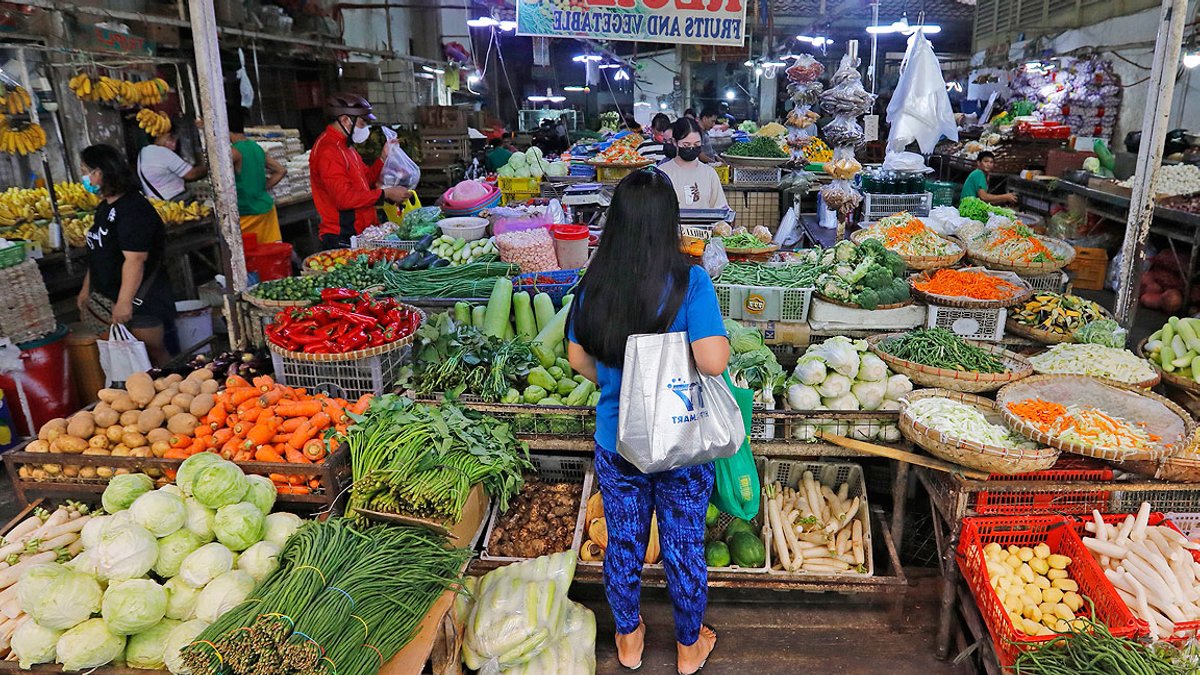
For the immediate term, Africa said the government’s priority should be relief measures that protect the purchasing power of the poorest 15 million Filipino families who have faced months of high prices and weak income growth. For the longer term, he called for structural reforms centered on food security, agricultural modernization, Filipino industrialization, and stronger public education, healthcare, housing, and social protection financed through a more progressive tax system.
Without these basic changes, “stagflation won’t just be a temporary episode but a recurring symptom of a structurally underdeveloped and import-dependent economy,” he said.