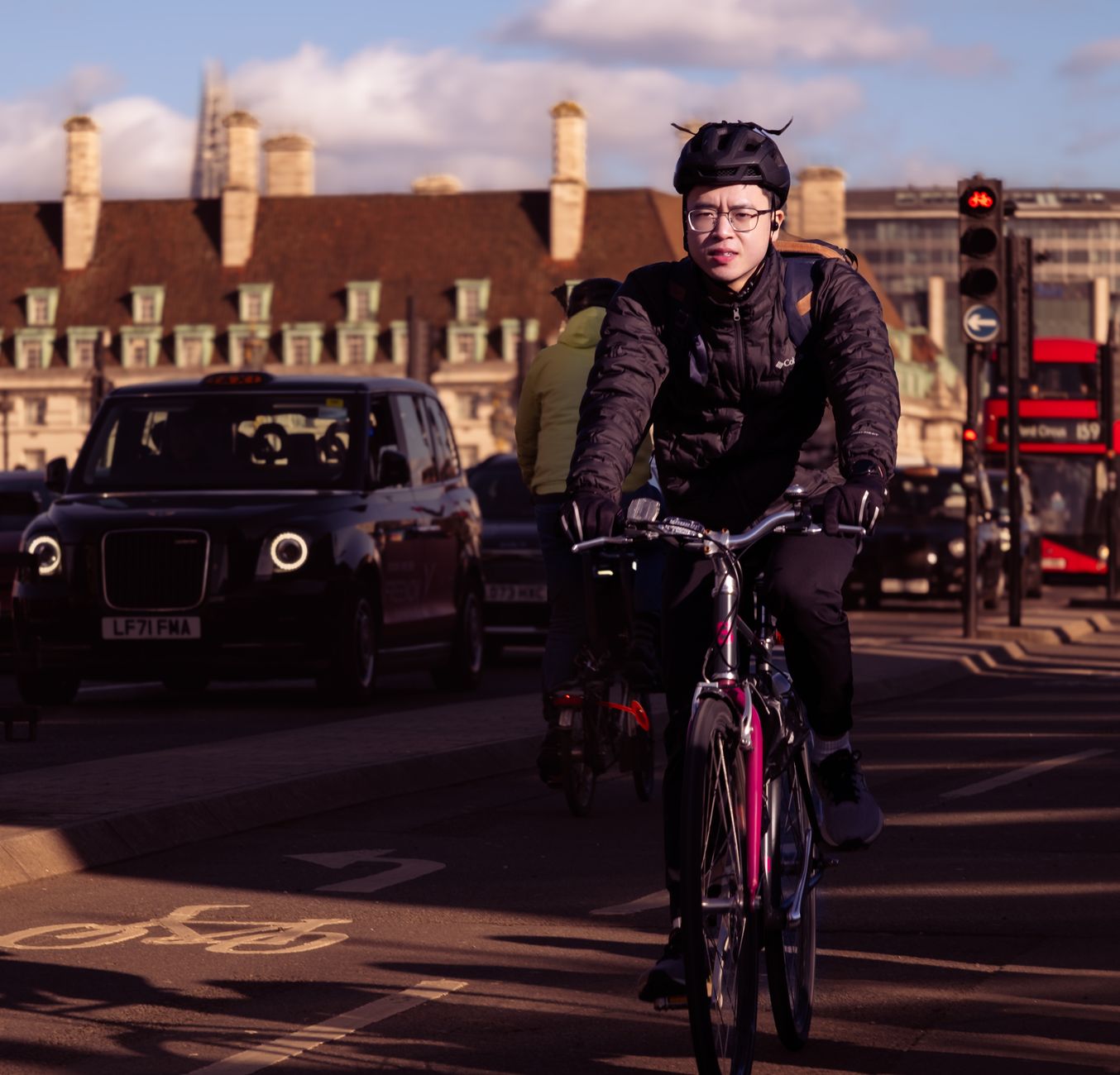
Advocates are pressing the Philippine government to set aside at least P1 billion for active transport projects in the 2027 national budget, arguing that the current funding levels are insufficient to meet growing demand for safer bike lanes and walkways.
Steep decline in budget raises concerns
The budget for active transport infrastructure has shrunk dramatically over the past few years. According to the latest figures, allocations fell from P2 billion in 2022 to just P105 million slated for 2026, a drop of 94 percent. Mobility Awards National Coordinator Amber Garma said the reduction reflects a long‑standing bias toward vehicle owners, noting that “for the majority of our workforce, walking and cycling are not lifestyle choices—they are financial lifelines.”
She added that active transport “keeps money in workers’ pockets and drives daily productivity,” but lamented that funding and infrastructure are still designed primarily for the 6 % of the population who own cars.
In a statement, Garma urged Congress to reverse “years of fiscal neglect” and lock in a minimum P1 billion budget for 2027. She also called on local governments to allocate their own resources to create interconnected networks for pedestrians and cyclists.
Related: DoST and Vintar Launch Regional Yarn Center
Public opinion backs the push
A Pulse Asia poll conducted in May showed overwhelming support for expanding active transport facilities. The survey reported that 94 % of respondents favored safer, wider bicycle lanes and walkways, while 93 % backed the creation of additional public transport lanes. Moreover, 82 % of those surveyed called for transit subsidies to make commuting more affordable.
By contrast, the policy of prioritizing private vehicles received the lowest level of public agreement, at 72 %. “The 94 % carless majority has spoken, and our leaders must step up to protect them,” Garma said, urging the President to declare active transport an economic and labor priority in the upcoming State of the Nation Address.
Data from the Department of Transportation (DoTr) indicate that the agency plans to expand its Active Transport program. The department aims to establish 2,400 kilometers of protected and dedicated cycling lanes by 2028, a target that aligns with the goals outlined in the Philippine Development Plan 2023‑2028.
Policy framework and future outlook
The development plan calls for a series of improvements, including widening sidewalks, adding segregated micro‑mobility corridors, and developing greenways. It also proposes redesigning existing intersections and re‑evaluating interchanges and grade separators to better accommodate non‑motorized travel.
While the roadmap is ambitious, critics note that the current fiscal commitment falls far short of what is needed to realize these objectives. The proposed sum for 2027 would represent a modest increase, yet it would still be less than half of the budget level seen in 2022.
Related: Types of Door Lock You Need To Know!
From a broader perspective, the push for active transport funding reflects a global trend toward sustainable mobility solutions. Cities worldwide are grappling with congestion, air quality, and public health concerns, and many have turned to walking and cycling infrastructure as a cost‑effective way to address these challenges.
In the Philippines, a large portion of the population relies on non‑motorized travel, so investing in such infrastructure could yield economic benefits that extend beyond the immediate safety of commuters.
The department’s commitment suggests an awareness of these issues, but without a matching increase in budgetary support, the rollout may stall. Local governments, which Garma says must also “deploy their own funds,” will play a key role in filling any gaps left by national allocations.
Policymakers will need to balance competing priorities, including the maintenance of existing road networks and the development of new active transport facilities. The outcome of the budget debate will likely shape the trajectory of mobility in the Philippines for years to come.