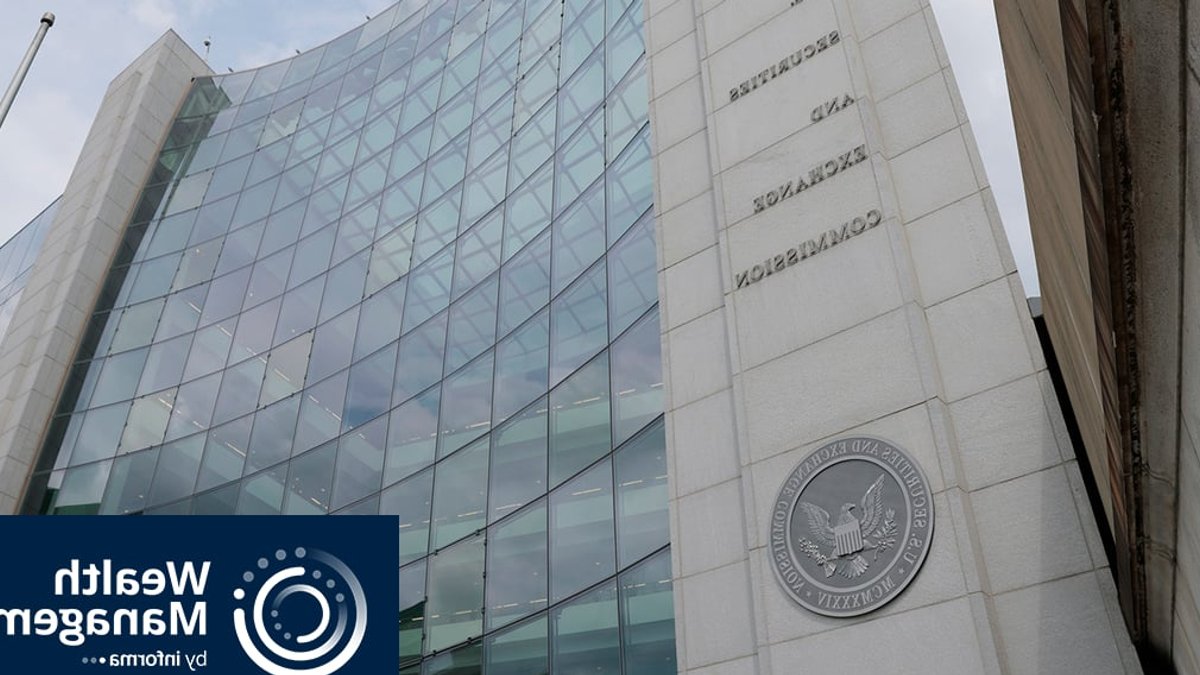
The Securities and Exchange Commission has charged a New Jersey man with running a $16 million Ponzi scheme targeting the Christian Ghanaian community. Ernest Ossei Boateng allegedly swindled over 200 investors through his companies, Intercontinental Wealth Network and I Wealth Network.
According to the SEC, Boateng promised low-risk investments with fixed returns. Instead, he used the funds for speculative day trading, resulting in $750,000 in losses. He also spent $5.8 million on personal expenses, including a home purchase and renovations.
Targeting a Trusted Community
Boateng focused his scheme on the Ghanaian community in New York and New Jersey. He made presentations at churches and a prayer group, leveraging shared religious and social ties. Many investors were financially inexperienced and trusted Boateng’s claims of expertise.
The SEC’s Thomas Smith noted that victims included retirees, taxi drivers, and an ailing widow with young children. Boateng allegedly assured them their investments were safe and risk-free, citing “financial investment insurance.”
Promises and Deception
Boateng promised investors a 25% return, claiming his “I-Fund” could turn $24,000 into $1 million in a decade. He positioned the opportunity as a gift from God to believers. However, the SEC states he never generated sufficient returns.
To sustain the scheme, Boateng encouraged investors to take out loans or withdraw from retirement accounts. He created fake account statements and used the logo of an SEC-registered brokerage firm to add credibility.
When investments matured, Boateng offered various excuses for not paying returns. He blamed the SEC for holding funds and cited tax law changes. The commission states these claims were false.
Legal Action and Consequences
The SEC has filed suit in federal court in New York. They allege Boateng and his firms violated antifraud provisions of the Securities Act and the Investment Advisers Act. The agency seeks permanent injunctions, disgorgement, and civil penalties.
Boateng, who is not registered and holds no FINRA licenses, declined to answer questions during the investigation, citing Fifth Amendment protections. He could not be reached for comment.
This case highlights the vulnerability of tight-knit communities to financial scams. Investors should always verify credentials and exercise caution when presented with high-return promises.





Leave a Reply