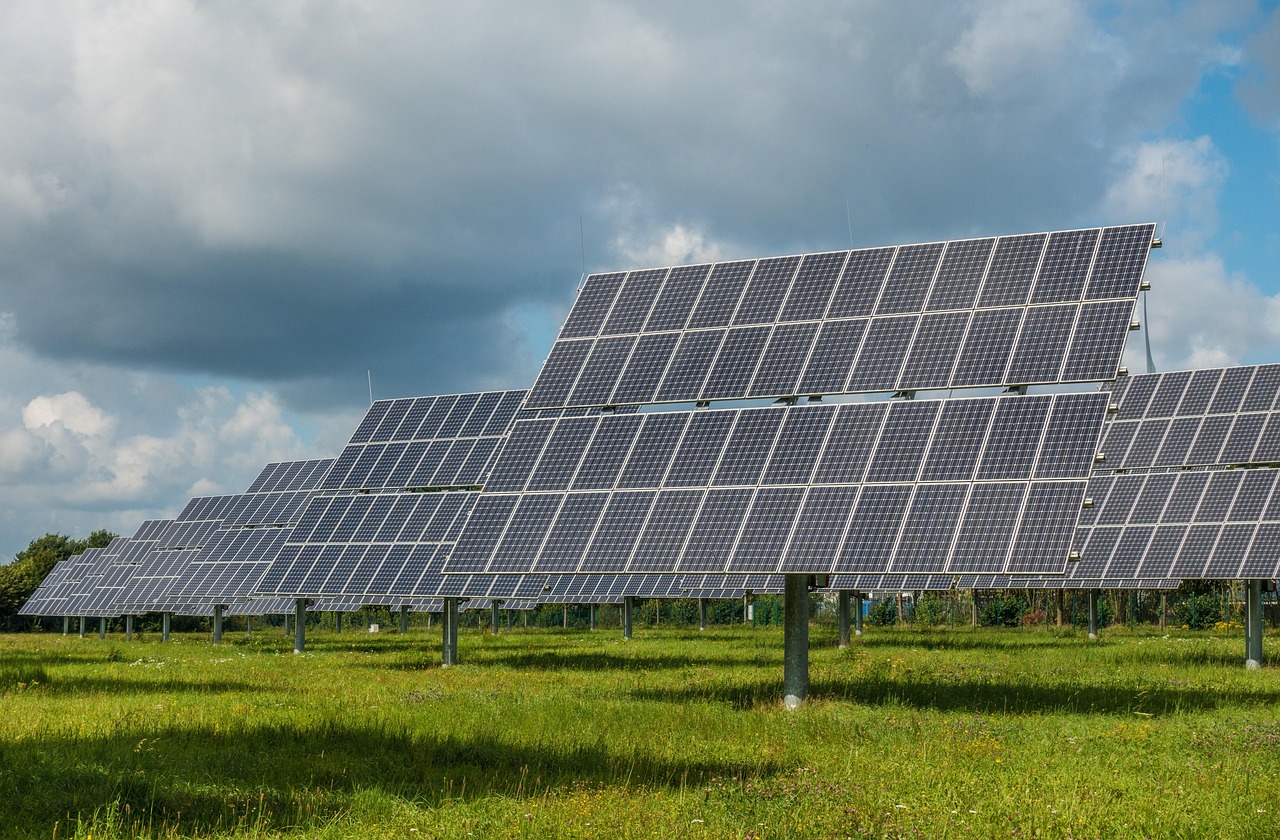
The Philippines has become the world’s biggest spender on rooftop solar panels as households rush to cut costs amid soaring electricity prices.
Since late February, top distributor Meralco has raised rates by 10%, pushing a median household’s electricity bill to about 12% of monthly income for average consumption. The country has little in power subsidies, leaving residential rates the highest in Southeast Asia—second only to Singapore, where incomes are nearly 13 times higher.
Adrian Sabatera, a 39-year-old software engineer, finally installed a 570,000 peso ($9,300) system after years of hesitation. “I wouldn’t be shocked if a third of the middle-class population eventually finds their way to this setup,” he said.
Related: Iran Opens Doors to Nuclear Inspectors
The surge is visible in import data. China, the dominant global supplier, shipped $407 million in panels to the Philippines in the three months through May—a 145% jump from last year. Even as Chinese exports dipped in May, shipments to the Philippines rose by nearly a third.
Philergy German Solar, a Manila installer, saw inquiries more than double in the first five months of the year. At its peak, the company handled 3,000 daily requests. Managing partner Jochen Staudter noted customers are deciding faster, driven by high power costs.
Analysts expect distributed solar capacity to nearly triple to 3,500 MW in two years, matching the country’s current utility-scale solar output. Loan payback times have dropped to 3.1 years from four, according to Ember, an energy think tank. Solar still accounts for under 4% of national power use.
Related: A Comprehensive Guide on Cancelling Bike Registration Certificate (RC) Online
A weakening peso has worsened the strain, as the Philippines depends on imported coal and gas. Inflation has climbed, and growth has slowed.
Jason Porciuncula, a Manila entrepreneur, installed a 12-kilowatt system with battery storage in January. By May, his monthly bill had fallen to a fifth of last summer’s 21,000 pesos.
Growth comes with hurdles
Demand outpaces supply. Brenda Valerio of New Energy Nexus cited component shortages, volatile equipment prices, and inconsistent quality checks as bottlenecks. The government offers solar loans up to 500,000 pesos at 5% interest, but these exclude private-sector workers.
Related: Common Web Hosting Problems And Tips To Avoid Them
Upfront costs remain a barrier. Systems often exceed the average annual household income of 353,200 pesos. “The opportunity is real, but the upfront cost is often too high for a household or business, no matter how quick the payback time is,” said Alnie Demoral of Ember.
Solar adoption is accelerating, but the financial hurdles mean the transition won’t be immediate.