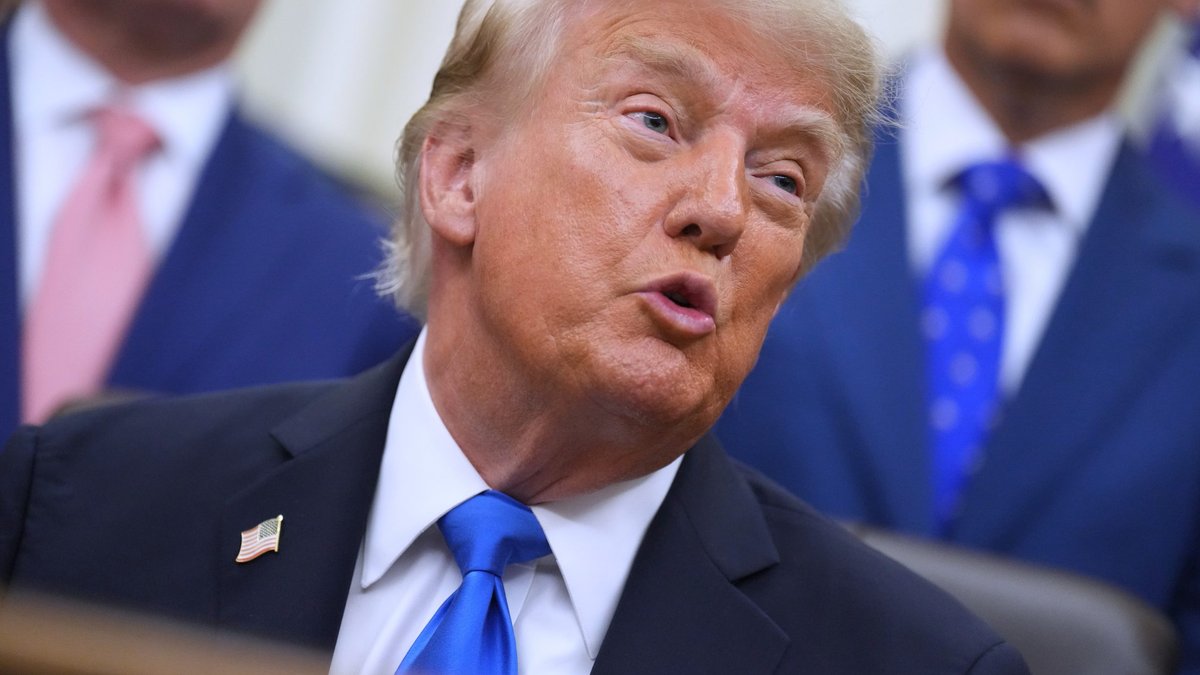
The United States announced it will stop providing direct cash to the Namibia HIV program after the 2027 fiscal year, shifting the partnership to a technical‑only model.
Namibia joins South Africa and other southern African nations now confronting the phased withdrawal of U.S. HIV aid under the new policy.
Funding shift announced
In a joint statement, United States officials said the country will give $45 million for Namibia’s HIV response in the 2027 budget, then cease monetary contributions. The remaining assistance will focus on expertise and training.
The country has relied on roughly the same amount each year from the President’s Emergency Plan for AIDS Relief for the past several years. Since 2003, the plan has poured more than $1.1 billion into the nation’s fight against the virus.
PEPFAR, which has operated for two decades, is credited with saving more than 20 million lives worldwide through its HIV interventions.
Data‑sharing dispute fuels withdrawal
The change follows Namibia’s refusal to accept clauses that would let Washington access health data and biological samples. Officials cited privacy, sovereignty and legal issues, saying the original terms conflicted with national law and constitutional protections.
Namibian officials described the original clauses as incompatible with national legislation and infringing on constitutional privacy safeguards.
That stance mirrors similar pushback in other African states. Ghana turned down a comparable deal, Zimbabwe walked away from a $367 million package, and a court case has stalled Kenya’s $2.5 billion agreement. Zambia also voiced concerns about data requests.
Read Also: Amazon cargo plane crashes at Miami, five dead
Since late last year, Washington has concluded country‑by‑country health agreements with roughly thirty partners, many of them across Africa.
These disagreements are part of the Trump administration’s broader “America First” approach, which seeks country‑by‑country agreements to cut donor reliance and protect U.S. interests.
The strategy is intended to lower reliance on external donors while encouraging recipient nations to allocate more domestic resources to health.
Namibia has already outperformed global benchmarks, with 96 % of people living with HIV aware of their status, 98 % of those diagnosed on treatment, and 98 % of treated individuals achieving viral suppression, according to the joint release.
“Over the next year, this support will transition into a technical cooperation model as the HIV response is fully integrated into Namibia’s sustainable national health system, in line with Namibia’s national laws,” the governments said in a joint statement.
Washington recently began winding down more than $400 million in annual aid for South Africa’s HIV programs, marking a broader drawdown of the President’s Emergency Plan for AIDS Relief after two decades of operation.
Both parties are said to be negotiating a revised bilateral health agreement that would address the country’s legal concerns while preserving some level of collaboration.



Leave a Reply