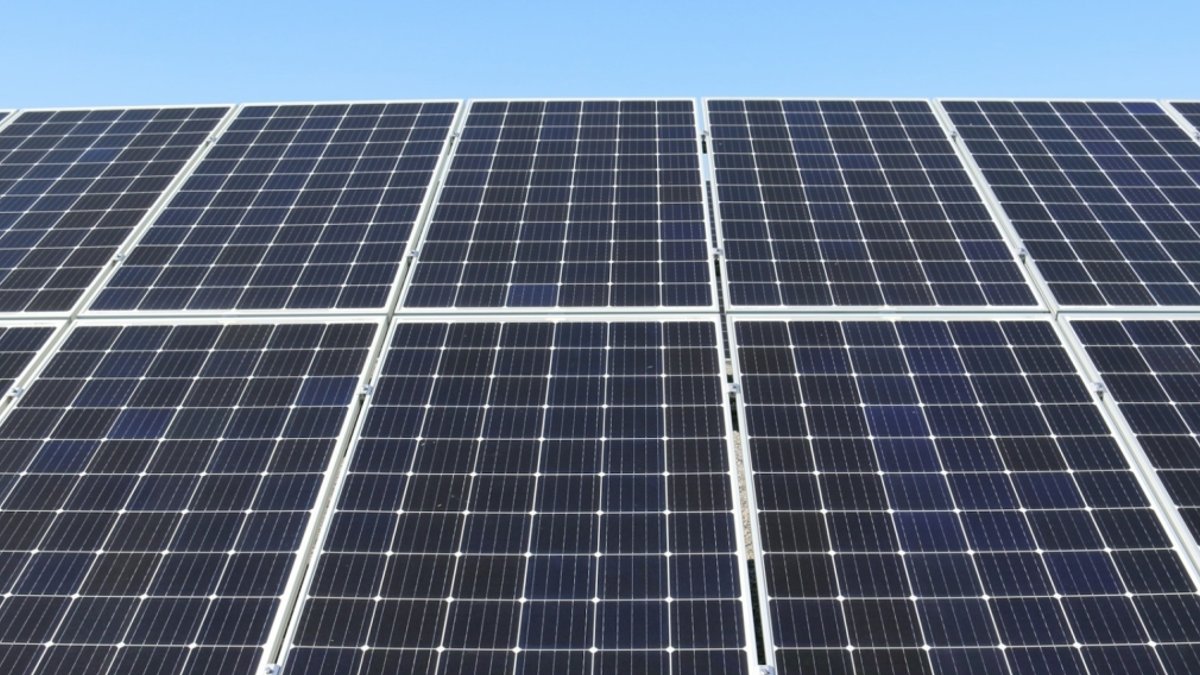
Solar panel recycling could generate $6 billion in recovered materials by 2040 and exceed $20 billion by 2050, according to the International Renewable Energy Agency.
The agency said in its report that solar PV is expected to play a major role in the energy transition, accounting for half of global installed renewable capacity.
More than 90% of materials, including copper, aluminium, silver, silicon, and glass, can be recovered from end-of-life solar PV panels, they said, adding that recycling rate for valuable minerals could approach 100% with future technological advances.
Recovered materials can be traded in existing material markets and used to manufacture new industrial products, generating economic returns.
The agency cautioned that solar PV has a 25- to 30-year service life before panels are decommissioned.
Consequently, the collection and treatment of future end-of-life solar PV panels within the next decade will require at least 120,000 trips of heavy-duty trucks to transport them and over 150 fully operational medium-sized treatment facilities.
They said adopting a circular economy could prevent, minimise, and reuse waste streams from decommissioned solar panels whilst generating economic benefits.
A circular economy could also create jobs, as the agency said solar PV accounted for 43% of renewable energy jobs in 2024, or more than 7.2 million jobs worldwide.
Related: Madan Mohan: AI as a new security frontier
In developing economies, waste collection, repair, reuse and recycling practices as part of the circular economy can generate income for those in the informal sector.
To ensure environmental goals are achieved and socio-economic benefits are gained, circular economy strategies for end-of-life panels also require engagement of various stakeholders across sectors.
Policy frameworks should factor in the health impacts of these practices and safeguard social benefits that can improve informal workers’ quality of life.
Whilst policy designs vary amongst markets, the agency said frameworks should include labour policies, safety standards, and environmental protection measures to ensure workers’ health and safety.
The agency noted that workforce training could generate jobs per 1,000 tonnes of materials collected for e-waste reuse.
A Europe-based study cited by IRENA estimated that workforce training could generate 60 to 140 jobs per 1,000 tonnes of materials collected for e-waste reuse.
…there are many ways you can work with us to advertise your company and connect to your customers. Our team can help you design and create an advertising campaign, in print and digital, on this website and in print magazine. We can also organize a real life or digital event for you and find thought leader speakers as well as industry leaders, who could be your potential partners, to join the event. We also run some awards programmes which give you an opportunity to be recognized for your achievements during the year and you can join this as a participant or a sponsor. Let us help you drive your business forward with a good partnership!